
Running into a snake in your yard is an unnerving experience. The good news is that snakes typically aren't out to bother you. They're just looking for the same things every other pest is after: shelter, water, and a steady food source. The bad news is that yards and homes often check all three boxes.
In this blog, we'll walk through when snakes are most active, where they like to hide both indoors and out, how to tell common Midwest species apart, and the most effective steps you can take to keep them off your property for good.
When are Snakes Most Active?
Snakes are most active during the warmer months, generally from spring through early fall. Activity peaks in late spring and early summer, when they mate so their eggs can hatch by late summer or early fall. During this stretch, snakes travel farther than usual to seek each other out and compete for mates, which is exactly when you're most likely to spot one crossing a yard, trail, or roadway.
As cold-blooded reptiles, snakes rely on their environment to regulate their body temperature, so they're most active when temperatures range between roughly 70°F and 90°F. Contrary to popular belief, snakes don't like the hot temperatures of summer. In fact, on particularly hot days, snakes have to scramble to find shade or they'll overheat and die.
You might run into snakes as they move around looking for shade, water, or cooler ground. For this reason, during the hottest part of summer, snakes often shift to being more active in the early morning, at dusk, and overnight, while resting in shaded burrows, under rocks, or beneath debris during midday.
Where am I Likely to Find Snakes Outside?
Where snakes turn up in your yard depends largely on the weather:
- On hot summer days, they seek shade and shelter to stay cool. You'll most often find them in tall grass, weeds, in vegetation, or tucked beneath rocks, shady trees, decks, and porches.
- On cooler, overcast days, they're more likely to come out into the open to sunbathe, often stretching out on heat-reflective surfaces like glass or concrete.
No matter the conditions, snakes gravitate toward humid areas where they can stay hydrated, as well as dark, sheltered spots where they can rest, hunt, and avoid predators.
Where am I Likely to Find Snakes in My Home?
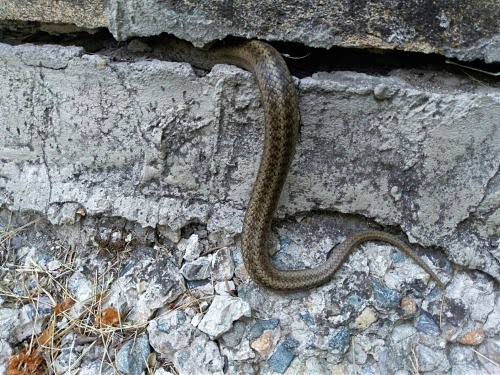
Smaller snakes may enter your home through cracks and crevices, similar to other pests. Once inside, they will look for dark, quiet spots that mimic their natural habitat and offer easy access to prey.
The most common hiding places include basements, crawl spaces, garages, and sheds, where moisture and clutter provide cover. Indoors, snakes often tuck themselves behind appliances like refrigerators, washers, and water heaters, or inside low-traffic spaces such as utility closets, pantries, and storage areas. Occasionally, they'll travel through wall voids into attics, especially if rodents are present.
Are the Snakes Near My Home Dangerous?
Possibly, but it’s highly unlikely. Only 3% of the snakes found in the US are venomous. Despite the fact that snake encounters are very common, snake bites are very rare. Only about 7,000 people get bitten by a venomous snake each year, and only around 5 of those bites are fatal. That being said, venomous snakes do live in the Midwest. Snakes will lash out if they’re surprised, threatened, or cornered.
As a general rule, venomous snakes have diamond-shaped heads. Treat all snakes with caution. Do not approach them or make sudden movements near them. If you’re bitten by a snake, wash the wound and seek medical attention immediately.
Why Are There Snakes Near My Home?
If snakes are slithering around your home, it’s because you’ve provided them with shelter, moisture, and food. Overgrown vegetation, tall grass, and loose topsoil offer cover from heat and predators, while puddles, wet grass, and stagnant water keep them hydrated. That same standing water also attracts rodents and insects—a snake's favorite meal—so if you're seeing snakes, you may have an additional pest problem on your hands.
Common Non-Venomous Snakes
Most snakes you'll come across around your home are non-venomous and pose no real threat to you, your family, or your pets. Many are actually beneficial because they help keep populations of rodents, slugs, and insects in check. The four species below are the ones you're most likely to spot in or near a Midwest home:
.png?r=VwBFUCr29ig=)
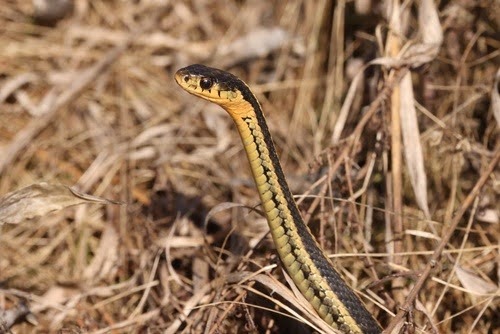
1. Eastern Garter Snake. One of the most frequently encountered backyard snakes, garter snakes are drawn to gardens, flower beds, and damp areas around water features where they can hunt slugs, grubs, and small rodents. They're harmless and typically slither away as soon as they sense people nearby.
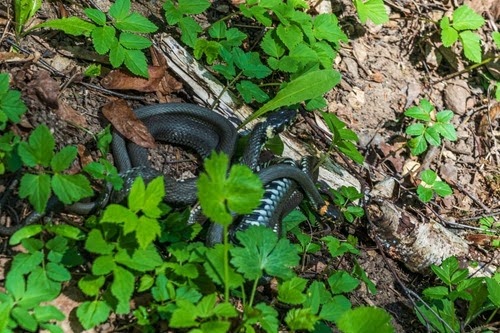
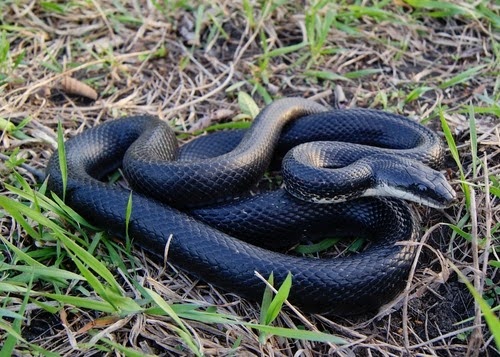
2. Black Rat Snake. Long, glossy, and an excellent climber, the black rat snake is a homeowner's natural ally when it comes to rodent control. They often turn up in barns, sheds, attics, and along home foundations, especially where mice or rats are present. Despite their size, they're non-aggressive and will usually retreat if given space.
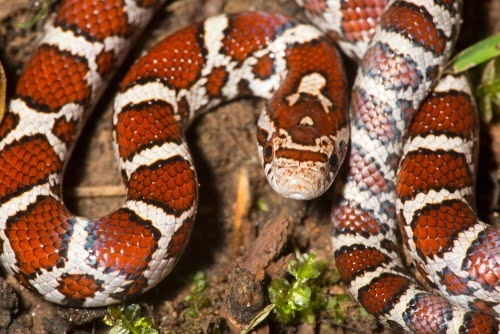
3. Eastern Milk Snake. With reddish-brown blotches on a tan or gray body, milk snakes are often mistaken for copperheads, but they're completely harmless. They tend to hide under logs, rocks, mulch, and woodpiles, and may occasionally venture into basements or crawl spaces while hunting for prey.
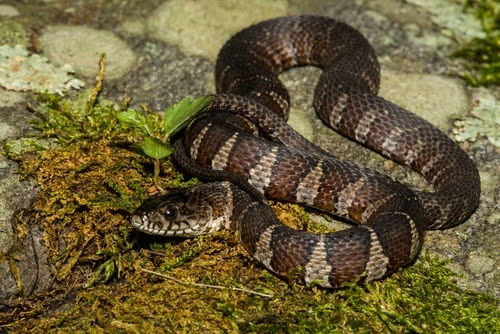
4. Northern Water Snake. Found near ponds, lakes, streams, and waterfront decks, northern water snakes are sometimes confused with the venomous cottonmouth—but cottonmouths aren't typically found this far north. While non-venomous, water snakes can be defensive and will bite if cornered, so it's best to give them space.
Common Venomous Snakes
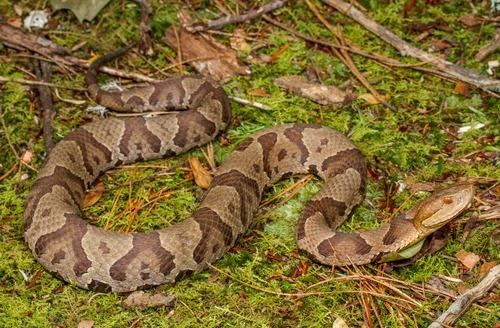
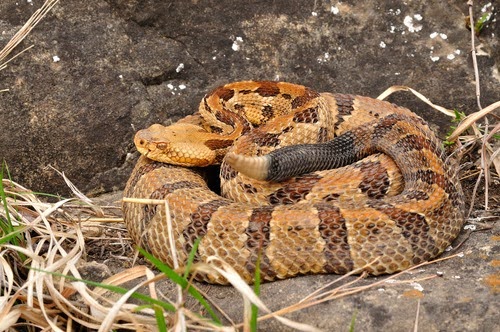
The two species below are the ones most likely to turn up near homes in the Midwest. Both are pit vipers, which means they share key warning signs: triangular, diamond-shaped heads, vertical pupils, and heat-sensing pits between their eyes and nostrils.
.png?r=SlqpyNlMfHE=)
1. Northern Copperhead. Named for the coppery color of its head and the distinct hourglass-shaped bands along its body, the copperhead blends in remarkably well with fallen leaves and forest debris. They prefer wooded areas, rocky hillsides, and leaf piles, but may occasionally show up in woodpiles near homes. Bites are rarely fatal, but they always require immediate medical attention.
2. Timber Rattlesnake. Identifiable by its yellow-to-black body, dark chevron-shaped crossbands, and rattle at the end of a black tail, the timber rattlesnake prefers remote, wooded areas and is rarely seen near homes. They're occasionally spotted on rural properties. Timber rattlesnakes are state endangered and legally protected in many areas, so if you see one, back away slowly and call a professional rather than attempting to handle or harm it.
If you spot a venomous snake around your home, keep your distance and contact a wildlife removal professional.
How Can I Keep Snakes Away From My Home?
First, find as many places to deprive snakes of cover as possible. Mow the grass short, trim bushes frequently, and remove lawn debris. Snakes hate feeling exposed and avoid open, highly visible areas.
Next, look for and address sources of excess moisture:
- Make sure your garden hose and spout aren’t dripping.
- Patch up plumbing leaks.
- Make sure you aren’t over-watering your grass or garden.
Finally, patch up the cracks and crevices that snakes may use to access your home. Start in the basement and work your way up.
Don't Get Rattled. Call Varment Guard
When it comes to snake control, prevention only goes so far. If you're seeing snakes regularly, finding shed skins around your home, or you suspect one has made its way inside, it's time to bring in the professionals. Trying to handle a snake on your own can be dangerous—especially if you can't confidently identify the species—and DIY repellents rarely solve the underlying problem.
The best way to keep snakes away from your space is to get help from Varment Guard. We have the tools and experience to find, trap, and remove snakes quickly and effectively, and we'll help you identify the entry points and conditions that drew them in to begin with. Contact us today to schedule a visit and take back your yard.