Bird Nest in Vent Removal Services
Do you need help removing birds and their nests from vents on your property? Schedule a service with us today!
Who to Call to Get Birds & Nests Out of Your Vents: Varment Guard
Varment Guard's bird and nest removal services include removal of accessible birds and nesting material, disinfection and deodorizing of the affected vent, and securing the opening with protective materials like hardware cloth or dryer vent baskets to prevent birds from returning.
Don't let a blocked vent turn into a bigger problem. Use the form to schedule your service today.
The Importance of Bird Nest Removal & Prevention
Birds nesting in vents can cause several problems, including:
- Blocked airflow affecting HVAC efficiency
- Fire hazards from flammable nesting materials in dryer vents
- Health risks from bacteria and parasites in droppings
- Property damage from corrosive droppings
- Odor issues from decomposing nests
- Pest infestations from fleas, ticks, and mites
- Noise disturbances during nesting season
Our Process
Birds often enter through soffits, roof junctions, and chimneys. Our expert team can responsibly remove nests and help prevent future issues. Here’s how:
- Inspect and identify entry points
- Safely remove nesting materials
- Cap and seal vents to prevent re-entry
Bird-in-Vent & Nest Removal Services We Provide
1. Emergency Removal
For urgent situations, such as a bird flying inside your home, we offer same-day service if contacted by 4:30 p.m. local time. Calls after this time may be accommodated depending on technician availability.
2. Bird-in-Vent Removal
When birds are nesting in exhaust vents (bath, laundry, microwave), or nesting material is obstructing airflow and reducing efficiency, our service includes:
- Removal of accessible birds and nesting materials
- Disinfection and deodorizing of the affected vent
- Installation of protective materials (e.g., magnetic vent covers, dryer vent basket) to prevent future nesting)
3. Nest Removal
For nests in areas like attics, roofs, soffits, gutters, porches, or chimneys, removal starts with a $149 inspection. These jobs are not quoted over the phone due to their unique nature, which varies by bird type, location, and season.
We can remove European Starling, House Sparrow, and Pigeon nests, eggs, and young year-round, as these species are invasive and not federally protected. Removal of other species (swallows, robins, doves) requires a permit from the state’s Department of Natural Resources.
Bird Nest & Vent Removal: Pricing and Services
- Single Vent (Birds or Nesting Material): $395 + tax. This covers common vents like dryer, bathroom, microwave, and stove exhaust vents. Additional vents will be quoted by the technician.
- Emergency Bird Removal: $375 for urgent removal of a trapped bird.
- Inspections: $149 for less common vents like gable, soffit, chimneys, or gas fireplaces, which require an on-site inspection. These cannot be quoted over the phone.
- Commercial Services: For larger commercial jobs, such as bird exclusion or flock mitigation, contact your area's Bird Expert or Bird Sales Team for a free phone consultation.
What Type of Bird Is in My Vent?
In the areas we service, there are three species responsible for the majority of bird-in-vent calls:
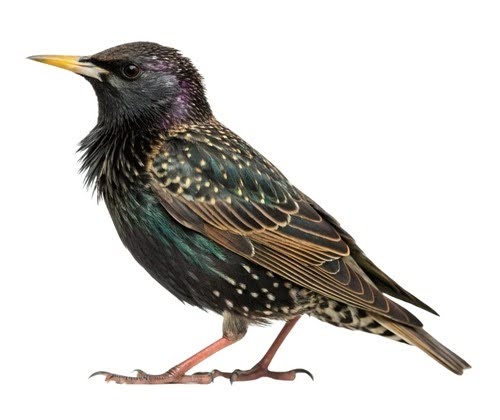
- European Starlings are the most common culprit. Invasive and not federally protected, their bulky nests of grass, feathers, and debris can fully block airflow and can be removed year-round.
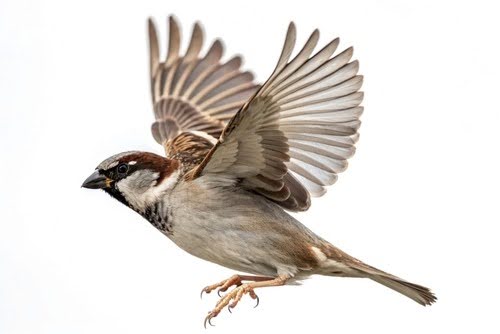
- House Sparrows favor smaller wall and kitchen exhaust vents. Also invasive and unprotected, they're straightforward to remove. Their nests accumulate fast.
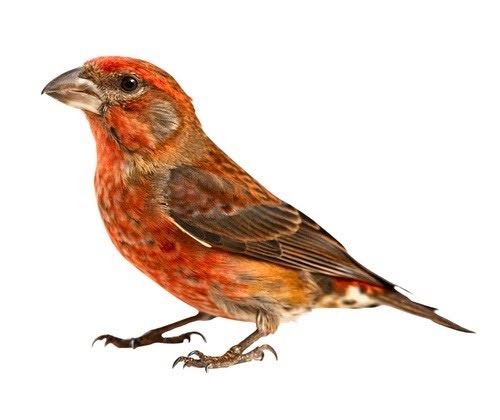
- House Finches are a native, federally protected species. Active nests with eggs or young cannot be legally disturbed without proper authorization, which is why professional assessment matters before any removal attempt.
Not sure what you're dealing with? Use our Wildlife Identification Form or schedule an inspection with Varment Guard. We'll identify the species, assess the nest, and handle removal the right way.

Bird & Nest Removal for Your Home or Business
Dealing with a bird problem? Varment Guard’s expert technicians have the experience and equipment to safely and efficiently remove birds and their nests from your home. Let us help protect your property and restore your peace of mind.
Frequently Asked Questions
What should I do if there’s a bird in my vent?
Birds in vents can be disorienting for both the homeowner and the bird, but the worst thing you can do is block the opening while a bird or nest is still inside. If you hear chirping, rustling, or scratching in your vents, stop using that appliance (especially dryer vents, where heat poses a fire risk) and contact a wildlife removal professional right away. Varment Guard can safely assess whether a bird is trapped, actively nesting, or has left behind a hazardous nest, and take the appropriate next step without causing further damage to your ductwork.
Is it dangerous to have birds nesting in my dryer vent?
Yes, and in more ways than most homeowners expect. A bird nest in a dryer vent can block airflow, create a fire hazard, and cause carbon monoxide buildup if exhaust gases can’t escape. Beyond the mechanical risk, starling nests in particular harbor bird mites and can expose you to airborne pathogens including Histoplasmosis and Salmonellosis when disturbed. Never attempt to run your dryer through a blocked vent. Instead, call a professional to remove the nest, clear the duct, and install a proper vent guard.
How do I know if birds are nesting in my vents?
The most common signs are sounds (chirping, scratching, or rustling from inside your walls or duct system), reduced airflow from dryer or bathroom vents, an unusual smell coming from vents, and birds repeatedly landing near or entering exterior vent covers. In spring and early summer, watch for birds coming and going from a single vent opening.
Can Varment Guard remove birds from bathroom exhaust vents and other home vents?
Yes. Varment Guard removes birds and nests from all common vent types including dryer vents, bathroom exhaust vents, soffit vents, wall vents, and kitchen exhaust vents. Each situation is a little different. For example, dryer vents require appliance safety protocols, soffit vents often involve roofline access, and bathroom vents may require removal of the vent cover assembly. Our technicians assess the full vent system to confirm the nest is fully removed, the duct is clear, and the opening is sealed to prevent re-entry.
What types of birds commonly nest in home vents?
European Starlings and House Sparrows are by far the most common. They’re cavity-nesting species that readily adopt dryer vents, bathroom vents, and soffit openings as nesting sites. House Finches are also frequent offenders, often nesting in smaller wall and kitchen exhaust vents across the Midwest. All three species can be removed humanely, but timing matters: active nests with eggs or nestlings may have additional legal considerations under the Migratory Bird Treaty Act, and Varment Guard handles those situations correctly every time.
How much does bird nest removal from a vent cost?
Bird vent removal at Varment Guard starts at $395 + tax for a single vent, with a $149 inspection fee if you’re not sure whether birds have accessed your vents. Emergency removal is available at $375. Final cost can vary based on vent type, nest size, number of vents affected, and whether duct cleaning or vent guard installation is included. We’ll walk you through the assessment before any work begins so there are no surprises.
Is it legal to remove a bird nest from a vent yourself?
It depends on the species and whether the nest is active. The Migratory Bird Treaty Act protects most native wild birds, their nests, and eggs. This means it may be illegal to disturb or remove an active nest with eggs or live young, even on your own property. House Sparrows and European Starlings are not protected under the MBTA, so removal is generally unrestricted for those species. The catch is that correctly identifying the species and nest status from a wall or vent opening is difficult without training.
Can birds in vents cause a house fire?
Yes. Dry nesting materials—twigs, leaves, lint, and grass—are highly flammable, and dryer vents push hot exhaust air through exactly that kind of debris every time you run a load of laundry. The National Fire Protection Association cites blocked dryer vents as a leading cause of home dryer fires. Even in non-dryer vents, a clogged duct can trap heat over time. If you suspect birds have accessed your dryer vent, stop using the dryer until the vent has been inspected and cleared.
What diseases can birds and bird nests spread?
Bird nests—starling nests especially—are dense with debris that can harbor pathogens dangerous to humans when disturbed and particles become airborne. Diseases associated with bird nest contact include Histoplasmosis (a lung infection caused by a fungus found in bird droppings), Salmonellosis, E. coli, and Cryptococcosis. Bird mites are also a common secondary concern: these parasites live in bird feathers and nests and can migrate into living spaces after a nest is removed or abandoned.