
There is an 80% chance that at least one year between 2025 and 2029 will beat out 2024 as the warmest year on record. These major climate shifts don’t just impact glaciers and sea levels, they directly influence the behavior of wildlife. In turn, this changes how nuisance animals interact with your home.
Let’s explore the connection between climate trends and wildlife behavior, what pests to keep an eye on in 2026, and how Midwest homeowners can take proactive steps to protect their spaces.
How the Climate Impacts Wildlife Behavior
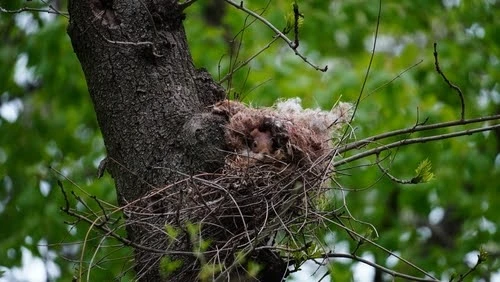
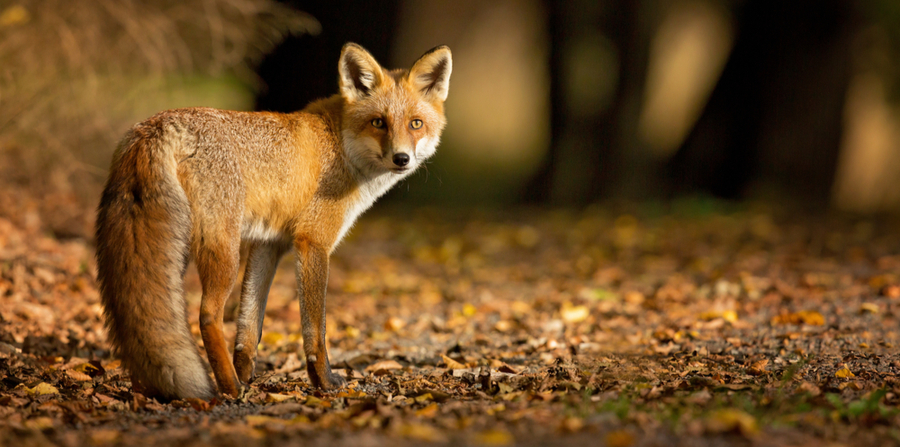
A changing climate affects everything from food availability to breeding season. Warmer winters and longer summers extend the active periods for animals like raccoons, skunks, opossums, squirrels, and bats. Rising temperatures also disrupt traditional hibernation cycles and alter the natural habitats of animals, forcing them to seek shelter in man-made structures.
As natural habitats shift or disappear due to climate impacts, animals are forced to adapt quickly. Homes and businesses become attractive alternatives for shelter, especially during extreme weather or when food becomes scarce.
Seasonal Shifts
Changing seasons provide cues for wildlife activity: when to breed, hibernate, migrate, or store food. However, with irregular or different seasonal patterns due to a changing climate, these behaviors are disrupted. For example:
- A mild winter may cause bats to emerge early and seek new roosting areas in attics.
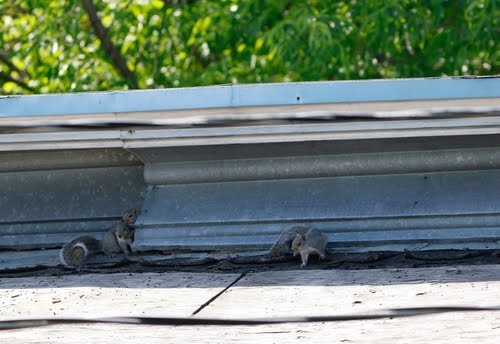
- Unseasonably warm falls can extend squirrel nesting, increasing entry into homes.
- Heavy spring rains may flood natural dens, pushing skunks or raccoons into crawl spaces.
- These seasonal shifts highlight why exclusion techniques by a reliable wildlife management company are more important than ever.
.png?r=QWqgl+F8rOA=)
Midwest Wildlife: What this Means for Indiana, Ohio, Michigan, Minnesota, & Beyond
According to the World Meteorological Organization and the USDA Midwest Climate Hub, 2026 will bring notable weather shifts across the Midwest. Experts at Varment Guard also weigh in on how these changes will impact the wildlife near your home:
Indiana & Ohio
- Warmer-than-average winters are increasingly common, disrupting hibernation cycles for bats and raccoons.
- Heavier spring rainfalls may lead to flooding in ground dens, driving wildlife into homes and crawlspaces.
- Unseasonal warmth in fall extends squirrel and skunk activity, increasing attic or basement entries.
Michigan
- Temperature variability is expected to persist through winter and spring, increasing the unpredictability of wildlife behavior.
- Lake-effect snow events may still occur, but overall snowpack may fluctuate year to year.
- Mild shoulder seasons (spring/fall) could lead to longer bat foraging and squirrel breeding windows.
Minnesota
- Arctic amplification continues to warm northern regions faster than the U.S. average—affecting migration and denning patterns.
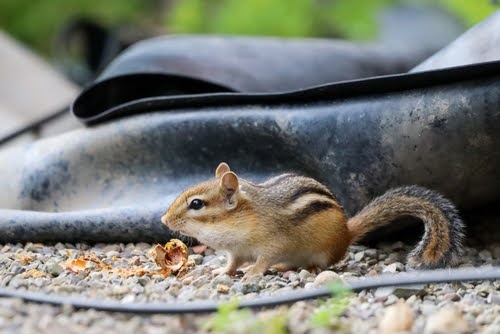
- Small mammals, like squirrels and chipmunks, may remain active longer in urban and suburban areas, seeking heat sources like attics and sheds.
- Freeze-thaw cycles are expected to become more common, impacting food availability and driving opportunistic wildlife behavior.
Varment Guard Stays Agile No Matter What Mother Nature Brings
At Varment Guard, we specialize in eco-friendly wildlife control tailored to the changing needs of both homeowners and the animals we manage. Our certified technicians understand the science behind animal behavior, habitat disruption, and seasonal activity.
Our services include:
- Wildlife exclusion
- Wildlife removal & trapping
- Cleanup & odor control
- Attic restoration
- Dead animal removal
- And so much more
Our team also monitors ongoing climate patterns and breeding seasons to provide proactive recommendations that protect your home year-round.